ISO 9001-2008, ISO 17100:2015 & ISO 27001 CERTIFIED
ISO 9001-2008, ISO 17100:2015 & ISO 27001 CERTIFIED
In today’s global business environment, companies need to communicate with customers, employees, suppliers, and partners speaking different languages. Professional translation services are a must if a company wants to break into a new overseas market, translate technical documents, localize a website, or communicate with multilingual customers.
But what is a translation service, and why should a business hire professional translators instead of using free online translation tools? This easy guide will tell you all you need to know.
What is a translation agency?
Translation service is a professional process of translating written content from one language to another language, keeping the original meaning, tone, context, and purpose.
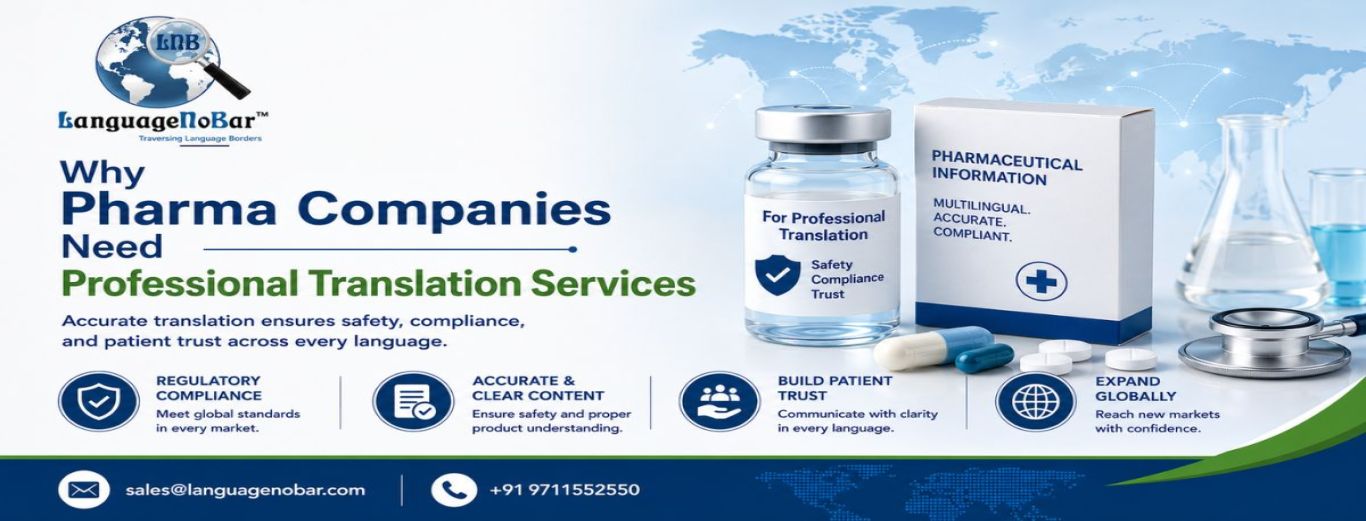
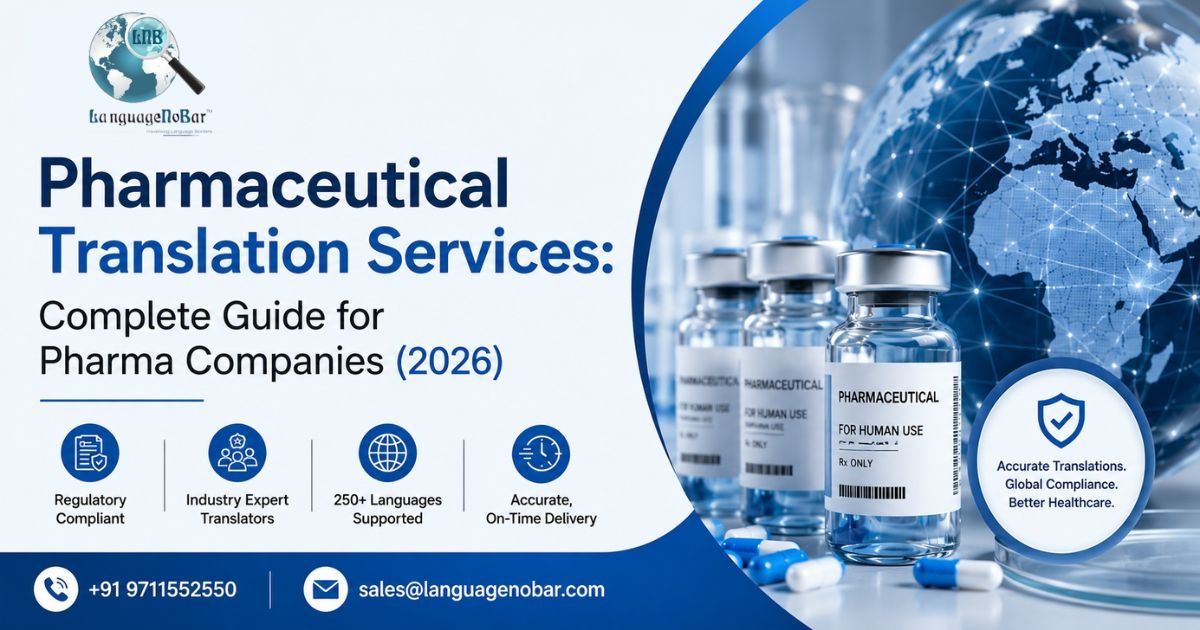
For example, a pharmaceutical company may need to translate product information from English to French, German, Spanish or other languages. The translation should be just informative, without changing technical details or critical instructions.
Professional translation services is so much more than a one-to-one swap of words. What a translator ought to know:
Original intent and purpose of the content
Industry-specific jargon
Syntax & Grammar
Cultural differences
Local Area language preferences of target market
That is why professional translation services are so important for companies working with technical, medical, legal, financial, or other specialist content.
How translation services work
Professional Translation Services projects usually follow a process to guarantee accuracy and consistency.
The content is first subjected to a check for language, subject, formatting, word count, and audience. It then goes to an expert level translator with background and experience in the niche to ensure quality delivery of the product.
then a review and editing of the translated content. This helps to identify grammatical errors, missing information, inconsistent terminology, or formatting issues.
For more complex business projects, we can also do an extra quality check before we deliver the final translated files.
Structure helps a business develop content that is accurate, clear, and professional for its target market.
What can be translated?
As companies move into multilingual markets, much of their content will need to be translated.
We provide professional translation services.
Company profiles Business papers Policies Reports Presentations Business Contracts Internal communication
Technical Documents User manuals, operating manuals, safety data, engineering specifications and product data sheets
Medical and pharmaceutical information Clinical documentation medical reports Product information Patient materials Regulatory content
Legal Documents Contracts, agreements, certificates, compliance documentation, and other legal materials
Marketing materials: brochures, ads, email marketing, product descriptions, promotional materials.
Digital media: websites, mobile apps, software user interfaces, e-learning content, online platforms
Different types of content are translated in various ways. While marketing copy can be more imaginative and cultural, technical documentation requires precise language.
One language is not enough for companies that want to reach more customers. “Clients can more easily understand information.
Professional translation services can help you make sure you communicate clearly in any language or market.
1. Tap into New Markets
Translation allows companies to deliver their products, services, and information to customers in other regions and countries. It offers new opportunities to reach a bigger audience and to grow internationally.
2. Create Customer Trust
“When customers can find information in a language of their choice, they are likely to have more trust in a company. Use professional accurate translations and create a stronger brand experience
3. Reduce misinterpretation
Technical, legal, medical, or financial translations can be especially difficult to grasp and confusing to read. Professional translation companies can help companies communicate important things accurately.
4. Preserve your professional brand image.
Bad translation, bad terminology, and bad grammar can damage a company’s reputation. Good companies know how to translate and maintain a professional image across all languages.
5. Supporting global business operations
The translation is, it’s not just for the Customer. Other typical translation projects for employees of multinational companies are training materials, company policies, technical documentation, and internal e-mail.
Online Translation Tools vs. A Professional Translator
Free translation tools are OK for simple words, short sentences, and informal messages. Companies should be careful to utilize these for professional content.
Automated tools will miss things like context, industry jargon, cultural nuances, or the tone you are trying to convey in a document. The meaning of the word can change depending on the industry and context.
For example, the language of a pharmaceutical document will be different than the language of a marketing campaign.
But translation professionals know it better. They are evaluated according to the content, target audience, industry, and purpose of a translation.
Translation services allow you to better control the accuracy, consistency, confidentiality, and quality of key business documents.
Translation vs localization – what’s the difference?
Translation and localization are separate but related. Translation is the adaptation of one language into another.
This is extended in localization which adapts content to a country, region or audience
Differences in localization:
Date and Time Formats.
Money-- Units of measure
Images & Graphics
Allusions to culture
Website Design Local Names
For example, a website might be correctly translated but still foreign to the users of other countries. Localization means your target audience will have a more genuine experience.
If you are a business considering going international, then you will probably need translation and localization services.
Selecting a translation service provider
The quality of translation has a direct impact on business communication and brand reputation. That is why it is important to choose a good translation partner.
Companies should look for a translation company that can provide professional translators with industry-specific expertise, strict quality process, multi-lingual capabilities, secure data handling, and reliable project support.
Also, the provider should be aware of the specific needs of the business. For instance, a pharmaceutical company may require translators with medical terminology skills, whereas a manufacturing company would require specialists with technical documentation knowledge.
A good translation company will be able to handle urgent needs and long-term multilingual projects.
With the help of translation services, companies can communicate with people who speak different languages. Correct translation of websites, marketing materials, technical manuals and pharmaceutical documents means clear communication and a wider reach to the market.
In the age of globalization, professional translation is no longer the exclusive domain of large multinationals. Translation services provide great value for any sized organization to reach new audiences, support international operations, and build better relationships with multi-lingual customers.
When working with an experienced translation partner, you can be confident you will receive an accurate, clear, and appropriate translation of your message into any language.
Are you looking for professional translation services for your business?
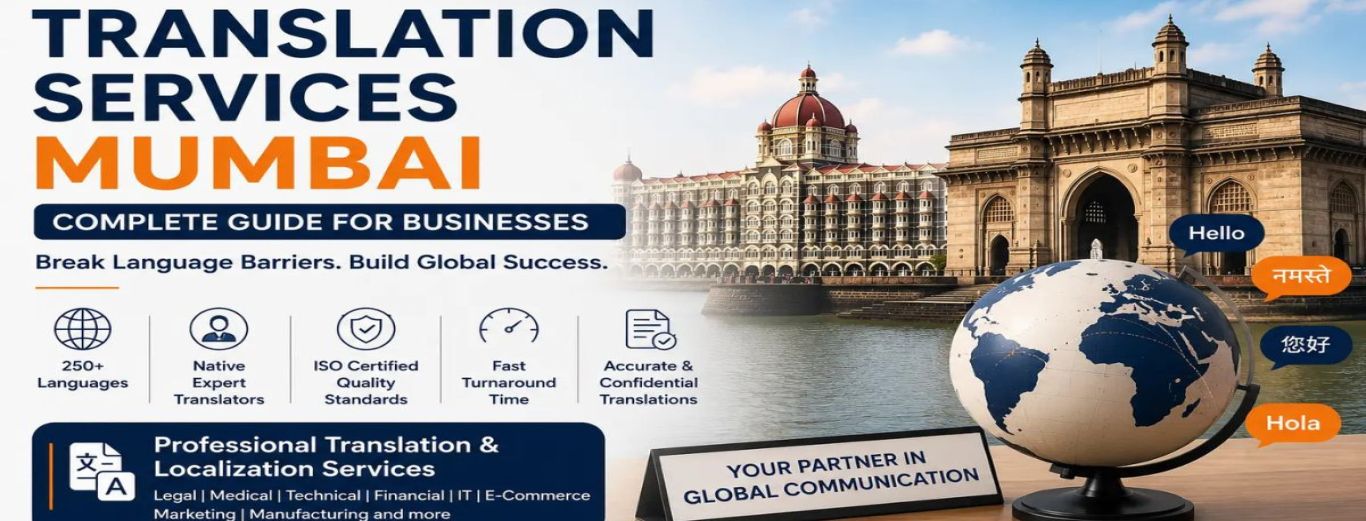
LanguageNoBar offers translation and localization services in over 250 languages. We help companies in many industries communicate properly and effectively in different languages.