ISO 9001-2008, ISO 17100:2015 & ISO 27001 CERTIFIED
ISO 9001-2008, ISO 17100:2015 & ISO 27001 CERTIFIED
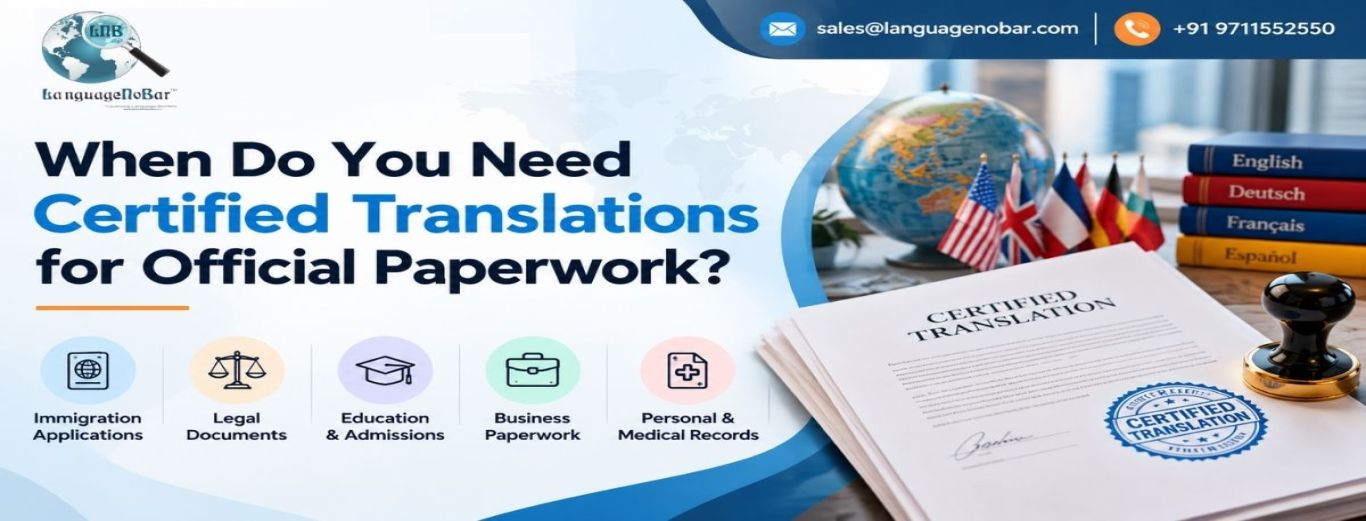
When submitting the official documents to the government, different organizations or institutions of higher education, authorities of court, or other official entities, accuracy is paramount. If your documents are written in a foreign language that the addressed party does not accept, you might need a certified translation. Certified translation ensures compliance with the requirements of the receiving entity and eliminates the risks of misinterpretation and errors.
When submitting the documents to any institution, the knowledge of whether this institution requires a certified translation and the awareness of its requirements can spare you a lot of trouble.
A certified translation usually includes a statement from the translator or interpreter that the provided translation is accurate and complete to the best of their ability. Different countries, institutions, and organizations have varied requirements for certified translations.
While some accept the translation combined with a signature or a certificate of a sworn translator, others demand additional steps like notarization, and checking with an apostille, or other special certification. In any case, before you reach the stage of requesting a certified translation, ensure if the target institution supervises specific translation guidelines since the translation itself will help you avoid any problems with the content and format of your submission.
Immigration and Visa Applications
Perhaps immigration is the most frequent case when you may need certified translation services. Since most visa applications, requests for permanent residency, citizenship, work permits, and similar documents imply mandatory translation of some of your records from your native language into the official language of the destination country.
The most common immigration documents requiring certified translation are:
• Birth and marriage certificates;
• Passports and other official personal documents;
• Police clearance;
• Employment and financial statements;
• Divorce papers and other family-related records.
When submitting documents to immigration services, make sure to clarify their translation and certification rules to avoid any issues and additional expenses that may arise due to inaccuracies and mistakes on your end.
Legal Documents and Court Cases
Legal-related cases involve a great number of official documents, each featuring crucial information. Even an insignificant mistake in a date, name, or term may cause serious issues.
Therefore, many courts and related institutions require certified translation, making it mandatory when submitting various kinds of documents:
• The body of testimony;
• Contracts;
• Court orders;
• Judgments;
• Affidavits;
• Powers of attorney;
• Legal notices;
• Claims;
• Motions;
• And various other documents with strict requirements for the translation.
In addition to other specifications, a certified translation of a document for a court implies the possibility of additional verification by the court itself, depending on the country of submission. Remember to check if notarization, a sworn statement, or another form of certification is required.

Education and Admission to Universities
Admission to a foreign university, college, or another institution of higher education may require you to provide high-level records of your achievements, performance, and competencies, along with personal identifying information, translated into the official language of this educational organization. The certified translation can ensure that an educational institution receives accurate information about your academic background.
The documents to be submitted to the educational facility may include:
• Academic transcripts;
• School or college reports;
• Academic or school leaving certificates;
• Qualification or graduation certificates;
• Mark sheets;
• And various other documents regarding your academic performance;
• Recommendation letters.
Each facility sets its own standards for these documents’ translation, including the mandatory use of certain translation companies. Hence, when you get acquainted with the institution’s documentation requirements, double-check if there are any specific requirements for the translation and translation provider.
International Business and Employment
Global businesses often involve international cooperation with other companies, organizations, local government, employees, partners, and many other stakeholders. To ensure seamless communication and compliance with the language requirements, certified translations may be required for documents concerning company registration, employment, certification or contracts, and other records for government organizations abroad.
For recruitment purposes, documents with personal identifying information, personal statements, and academic or professional experience may be submitted. In any international business case, the documents to be translated can include a comprehensive list of terms, records, dates, and other pieces of information, requiring special accuracy.
Medical Or Personal Documents
Most healthcare-related institutions require certified translation of documents concerning the individual’s medical records, health-related information, or insurance policy.
Although this kind of translation does not always require additional certification and can depend on the target hospital, insurance company, authority, or other receiving entity, medical records may need special expertise to preserve the context of diagnosis and other information. Certified medical translation ensures the accuracy of personal reports, lab results, and other vital information while taking care of any specific requirements for such records. This kind of documentation might be important for parental leave, insurance claims, and other personal matters.
Remember that a certified translation is always the translation with full accuracy preserving the meaning of the source document. Hence, you can ask for recommendations, testimonials, research, and other references on the translation company before you decide to choose this company for your certified translation. Ask concerning confidentiality and safety, ensuring that the personal and financial information of your documents is secure.
Additionally, look to see if the company offers translation services for the type of document you have chosen and if they possess sufficient expertise in this sphere. Finally, make sure the selected company has enough time for your translation, which may sometimes require additional verification or certification.
Always make sure to provide your customer translation instructions to the provider, along with the documents, to be translated.
In general, certified translation services appear in most official cases when the documents need to be submitted in the target language. Since multiple institutions require specific guidelines for submitting records, the certified, accurate translation eliminates the possibility of errors.