ISO 9001-2008, ISO 17100:2015 & ISO 27001 CERTIFIED
ISO 9001-2008, ISO 17100:2015 & ISO 27001 CERTIFIED
Getting your app launched in a new country can bring you millions of downloads. But downloads are not the same as long term growth. They have to trust it, understand it, and be comfortable with an app before they become active, loyal customers. This is where app localization comes into play.
App localization is more than simply translating the words of an app from one language to another. It personalizes the app experience for users in various regions, considering language, culture, preferences, expectations, and market-specific needs. Professional App Localization Services can turn an app from a global product into a locally relevant experience – turning it into a tool for reaching international audiences.
The customer journey doesn’t stop at downloading the app. Poor user experience like confusing interface, unnatural wording, complicated payment options, and ignoring cultural preferences could lead the users to uninstall the app soon after its installation.
Localization solves these problems by creating an experience designed for the target market.
For example, an app that is expanding from the US to Germany will need to support the German language, localized date and number formats, the right terminology and cultural content. Likewise, an app entering Asian markets may have to change language, design, payment options and the way it communicates with the users.
So, a localized experience can lead to better engagement, higher retention, and more conversions.
For international users, language is one of the initial challenges.
Literal translations word-for-word can result in unnatural phrasing, confusing instructions or terminology that doesn’t make sense to the target market. A professional localization takes the context into consideration and makes the language sound natural to native users.
These include:
Navigation & App Menu
Calls to actions and buttons
Error Messages.
push notifications help content Description of product
Screen's Introduction
App Instructions
The easier it is to understand an application, the more likely it is to be discovered and critical actions taken.
You need trust to convert downloads into active users.
People feel more comfortable with an app that talks to them in the language they want and adheres to normal cultural conventions. A bad translation of an app can make the company look inexperienced and out of touch with its audience.
Professional App Localization Services ensure that tone, terminology and messaging are consistent across the whole user experience.
This is especially true for applications that process sensitive data, financial transactions, healthcare, education, or business operations.
When the content is real and culturally relevant to the users, they will be more confident about the product and the company behind it.
Localizing your app can also increase the visibility of your app in overseas markets.
Localize your App Store and Google Play listings for those searching in languages other than english. They may be a)
App Name App Description Screenshots Keywords
Product description:
Feature Descriptions
Read more reviews & content
The localized store listings give potential users an idea of what the app is about.
For example, if a user is searching for a productivity app in their native language, they are more likely to engage with an app listing localized for their market than one that is only in English.
Better relevance may mean better discovery and maybe better download numbers.
One of the biggest myths around app localization is that it's just about translation.
In fact, localization can affect many aspects of the digital experience.
A professional localization process can handle:
Language: Translated into the target language and its local variants.
Culture: Transform images, words, pictures, icons, and references.
UI/UX: The translation should work well with the UI.
Dates and numbers are expressed in local format.
Currency Use local currency for right prices
Units: change units if needed.
Payment Options Supports popular local payment options.
Legal requirements: Localizing content.
This all-in approach feels more natural to users internationally.
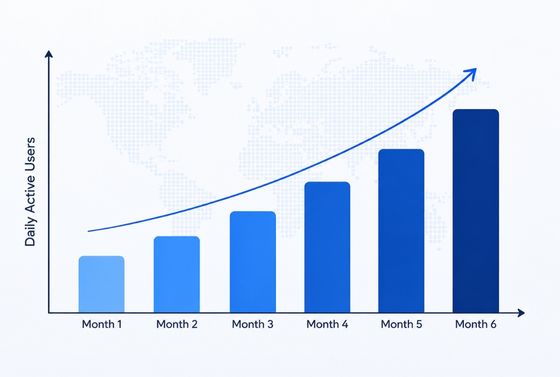
But getting people to download an app is only half the success story when going international. That’s why businesses need to repeat their customers.
Localized onboarding can be a game changer. The application should be understandable to the user in terms of what it does, how it does it, and what benefits it provides.
Better connect with localized notifications, email, support content and in-app messages
The more natural the language and context of the information to the user, the more seamless and engaging the experience
This helps businesses guide users through the customer journey from download to register, engagement, conversion, and retention.
Scaling to multiple countries is tricky when you need different content and user experience for each market.
A good localization strategy allows companies to prepare their apps for multiple regions at the same time, while still keeping a single brand.
Developers, product managers, marketers and linguists work with professional localization teams to determine which content needs localization.
By working together in this way, localization mistakes can be reduced, and international launches can run more smoothly.
Without a global mindset, companies will struggle to create scalable localization workflows that will allow them to continue their global growth.
The world’s most successful brands know that users in other markets should never feel that they are using a product translated from another market.
They have to feel the product was made for them.
Simply put, build the experience on what the locals do and build.
For example, colors, images, communication styles, payment preferences, and even the amount of information presented could all influence the way users interact with an application.
Localization allows companies to offer a more personalized experience, without changing the core identity of their brand.
Companies should know their priority markets and their target audience before taking an app abroad.
A practical localization strategy could be:
Identify target markets based on business opportunities and user demand.
Find out about your local audience, their language, and expectations of culture.
The app should have internationalization built in. Translatable content should be separated from code.
Join forces with native speakers who know your market.
UI elements and UX elements translated in full, not just text
Test the localized app on various devices and screen sizes.
Linguistic & Functional QA before launch
Continuously monitor user behavior post launch to keep enhancing user satisfaction.
This guarantees that the localization is aligned with user experience and business objectives.
Daily Users to Downloads
The global growth of the app ecosystem is much more than download numbers. The real opportunity is to convert those downloads into daily active users.
The localized app can remove language barriers, create clarity, build confidence, and provide a culturally relevant experience to ease the user's journey.
Investing in professional App Localization Services can be an important part of a business looking to grow globally and a part of their global growth plan.
The goal is simple: Don’t just make your app available everywhere in the world, but make it feel at home everywhere in the world.