ISO 9001-2008, ISO 17100:2015 & ISO 27001 CERTIFIED
ISO 9001-2008, ISO 17100:2015 & ISO 27001 CERTIFIED
When businesses go global, a website in English is often not enough. The information is given in a culturally relevant way and in the language of the customer’s choice, which increases the confidence and willingness of the customer to interact with the site. The language on a site can influence how a visitor perceives the brand, what they think it has to offer, and whether they buy it.
Professional website translation services help companies overcome language barriers and create a consistent, trustworthy digital experience for global audiences.
However, uncertainty can quickly arise when a visitor arrives at a site that is in a language that they do not fully understand. interested in a product or service but don't want to give personal information, make a payment or contact the business.
A professionally translated website gets rid of this friction. Users can read product descriptions, pricing, policies, FAQs, and other important information without the need for translation tools.
Speaking the language of the customer is more than a means of communication; it shows that a company understands and respects its international audience. This helps create a better first impression and motivates visitors to go deeper into the website.
Trust is one of the most important factors in online buying decisions. Customers from other countries want to know that the company they are dealing with is professional, legitimate, and transparent.
And badly translated content can do the exact opposite. Bad grammar, clumsy phrasing, incorrect vocabulary, or mixed messages can make a business look less professional.
Professional website translation services help you translate the important content correctly, so the meaning and tone of the original text are preserved. This is especially important for:
Description of the Product and Service.
Payment & Pricing
Terms & Conditions
Privacy Statement
Customer service paperwork
FAQ on Contact Forms
Checkout pages
These are things that customers know. It makes their interaction with the brand more comfortable.
Boost Conversions with Your Native Language
Website visitors are not customers by default. They want clear information and a smooth experience before they do anything – be it buys a product, requests a quote or fill out a contact form.
Language is a big piece of this.”
Localizing your website makes your calls to action clearer, and more persuasive. For example, a customer will be more likely to respond positively to a well-written “Request a Quote” message in their preferred language than a website with unfamiliar or poorly translated language.
In addition, translation can help you to see the benefits of the product. "Professional translators are not just translating words, they are able to convey the original message to the target audience naturally.
This can help to reduce confusion and help customers make purchasing decisions with more confidence,” he added.
Localization versus translation
Website translation and website localization are closely related, but not the same.
So, the main purpose of translation is to translate content from one language to another language. The meaning of the content should be maintained.
The localization is one step more. It localizes content to the audience’s cultural, linguistic and market expectations.”
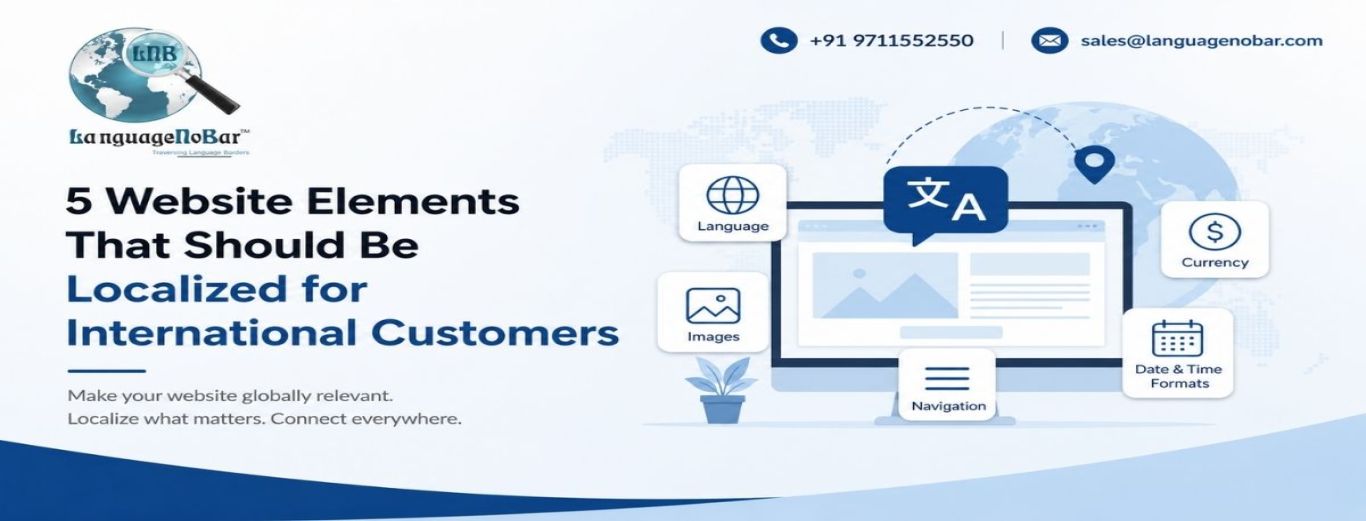
[Localizations adaptation may be needed:
Money and price formatting
Date and time formatting
Measuring . . .
Illustrations & Graphics
In pop culture
Name of Product
WHAT HAPPENS NEXT
Regional spellings and idioms
For companies with a global customer base, combining professional translation with localization can go a long way to make the website experience feel more natural.
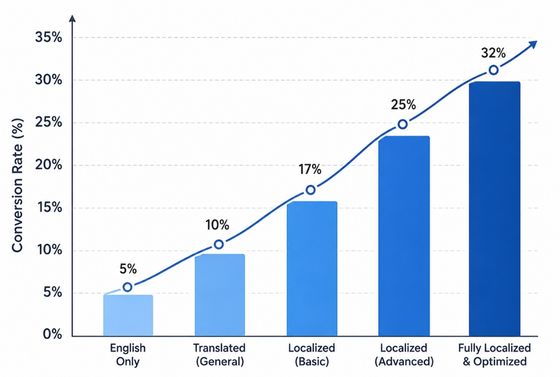
The language of the website may also affect international search visibility. Customers don’t translate English search terms. They search for products and services using localized keywords.
A multilingual SEO strategy can help companies better target these searches.
So professional website translation services needs to consider SEO elements such as:
Titles of pages
Meta Description Titles
The URL Structure
Copyright image:
Keyword usage
Other projects Structured data
The exact word-for-word translation of an English keyword may not be the phrase local customers are typing into search engines. Market research and knowledge of the language spoken in the country of destination will help companies to identify more relevant terms.
Better UX for International Markets
User satisfaction is another important factor in website performance. Visitors should be able to find information, navigate to a site, and do what they want to do with as little trouble as possible.
International audiences can be better served by a multilingual website.
For instance, an Internet company can offer detailed information about shipping, returns, product specs, or technical support. Customers who don't speak English well may leave the website if these details are only in English.
Converted content helps users connect better with the website and reduces chances of misunderstanding.
Consistency is the key
International sites tend to have a lot of content. So, consistency in language across product pages, blogs, landing pages, support docs, and marketing campaigns is important.
Inconsistent translations can confuse customers, damaging a company's image.
Professional website translation services can use terminology management, translation memories, style guides, and quality assurance measures to ensure consistency across different languages and parts of the website.
The language on your website is a crucial element in how international customers perceive your business. Clear, accurate and culturally appropriate content can drive trust, user experience, international SEO and ultimately conversions.
When companies enter the global marketplace, it is not enough to simply translate your website from one language to another. This is an opportunity to reach new audiences in a meaningful way and to create a digital experience that feels like home and is credible.
With investment in professional translation services, businesses can overcome language barriers, grow their global reach, and build customer confidence to take the next step.