ISO 9001-2008, ISO 17100:2015 & ISO 27001 CERTIFIED
ISO 9001-2008, ISO 17100:2015 & ISO 27001 CERTIFIED
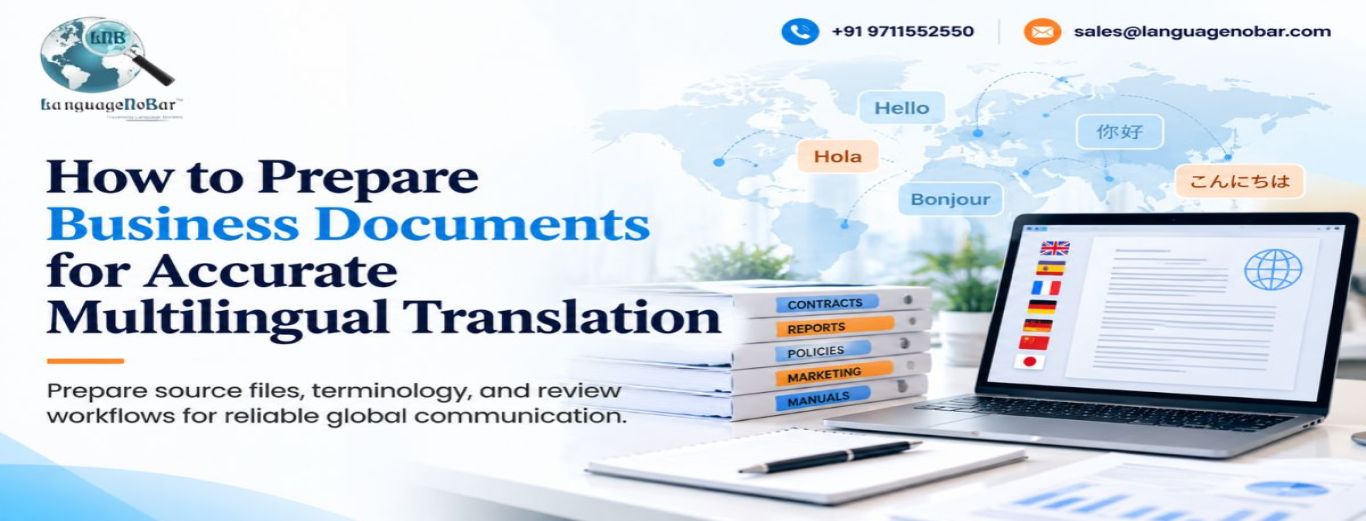
When looking to grow your business globally, you will need to ensure you have clear, consistent, and accurate translations. Whether it be contracts, financial information, staff handbooks or marketing materials, you’ll want everything to translate accurately to the target language. Ensuring your documents are ready to translate can help avoid any errors and keep things consistent.
Using professional document translation services will help ensure your documents are translated accurately to other languages. However, having well prepared documents can help ensure your final translations are accurate too. Below we have 7 top tips to help your business achieve accurate translations.
One of the most important things you can do is make sure your documents are finalized. Constantly changing content can cause issues with increasing costs, longer delivery times, and cause inconsistencies.
Ensure your document is checked for any spelling, grammar or outdated issues. Make sure everyone involved has approved the content.
If there are any updates to your documents whilst they’re being translated, make sure to highlight what has been changed. This will help the translators know what needs to be updated and avoid unnecessary changes.
Each market may require different language, culture, and business requirements. It may be that the language used will differ between Spanish for customers in Spain and Mexico.
Before translating your documents to multiple languages make sure to know:
What languages and regional differences are you targeting.
Who is your audience? Are you translating for your staff, customers, partners or regulators?
What is the purpose of the document?
If there are any country specific rules or regulations.
This will help the translator choose the right language and tone.
Having consistent translations for multiple business documents is key. If the same product name, technical term, or company policy is translated differently, it can cause confusion for readers and damage your brand.
Create a glossary with commonly used terms, product names, department names, technical terms, and industry specific terms. You may also want to provide previous translations, brand guidelines, and style guides.
If you regularly translate documents for your staff, products, financial information, or company policies, then having reference documents will be useful.
Using these will help your professional document translation service ensure your terminology is consistent.
Having the right file type will help with the translation process. Having editable documents such as DOCX, XLSX, and PPTX will make it easier to edit the text.
You can also translate PDF documents. However, if they’re scanned you may need to use OCR to extract the text.
Ensure your documents are:
Editable wherever possible.
Tables, charts, footnotes and captions are clear
Text images are labeled.
Font and special characters are supported.
Headers and footers with page numbers.
If your documents have complex formatting, then make sure to provide the original design files. This will help with desktop publishing.
Many business documents will have industry-specific terminology. Legal agreements, technical documents, medical documents, and financial documents need to be translated to ensure they’re accurate.
Make sure to specify any industry specific requirements. Identify any terms that cannot be changed, any acronyms that need explanation, and any statements that need extra checking.
Many business documents will contain confidential information, such as customer information, staff details, financial information, or business strategies. Make sure to have the right confidentiality agreements in place, use secure ways to share your files and ask your translation service how they handle confidential files.
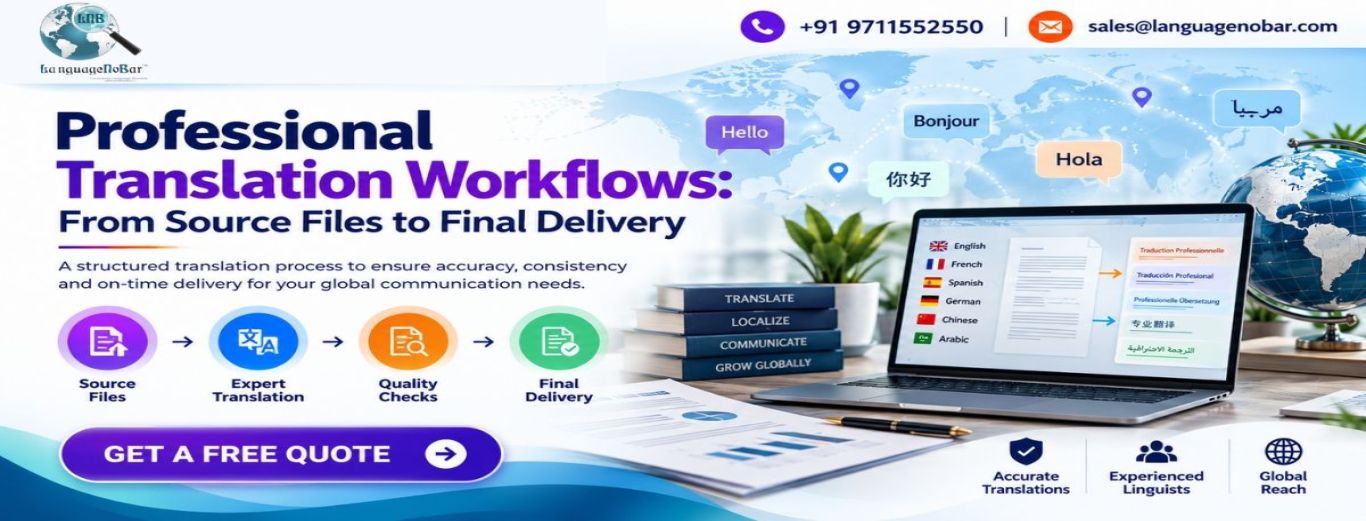
An accurate multilingual translation can take a while to complete. Depending on the project, it can include translation, editing, proof reading, terminology checks, formatting, and final checks.
Set realistic deadlines for your documents depending on the length, complexity, languages, and any checks required. If you need it urgently, this can cause issues without giving enough time for checks.
Ask your translation service how they ensure quality. Find out if the project requires any specialist checks. If it’s a key document, then having a process in place to check for missing information, inconsistent terminology and formatting can help.
Once your documents have been translated, do a final check. Ensure names, dates, numbers, currency, addresses, references and any other key information is correct and matches the approved documents.
Ensure that tables, charts, and page breaks are correct. If your document is going to a specific country, take note of any localized requirements for dates, decimal points, measurements, or currency.
If it’s a customer facing document, you may want to get feedback from local teams to ensure anything is clear and not causing any cultural concerns. If it’s a legal or regulated document, make sure any specialist or authorized checks have been completed.
Preparing your documents to be translated into multiple languages will help you to communicate effectively internationally. Ensuring your content is finalized, knowing your audience, providing terminology references, choosing the right file type, and ensuring quality checks can all help.
Using an experienced document translation service can help your organization translate multiple languages effectively. Having a well-prepared document will give your translators the information they need to provide you with a reliable translation. This will help you communicate confidently within global markets.
Before translating your next documents, take some time to prepare your source files, organize your reference documents, and specify your requirements. This can help save you time, reduce any changes, and give you a more consistent multilingual communication strategy.